Algae All Over the Aquarium Glass
Glass algae is a surface problem with a surface answer: the right scraper for the growth and the glass you own. Soft green film lifts with a magnet pad, hard spot algae needs a blade, and acrylic tanks punish the wrong tool choice with scratches that never come out.
The short answer
For the weekly green film, clean with an Aqueon Algae Cleaning Magnet sized correctly for your tank, working from outside the glass without getting your arm wet. It holds 4.5 stars from 291 ratings on Chewy (November 2026). Match the tool to the growth: the pad for film, a blade for hard spots on glass only, and nothing abrasive on acrylic.
Why does this happen?
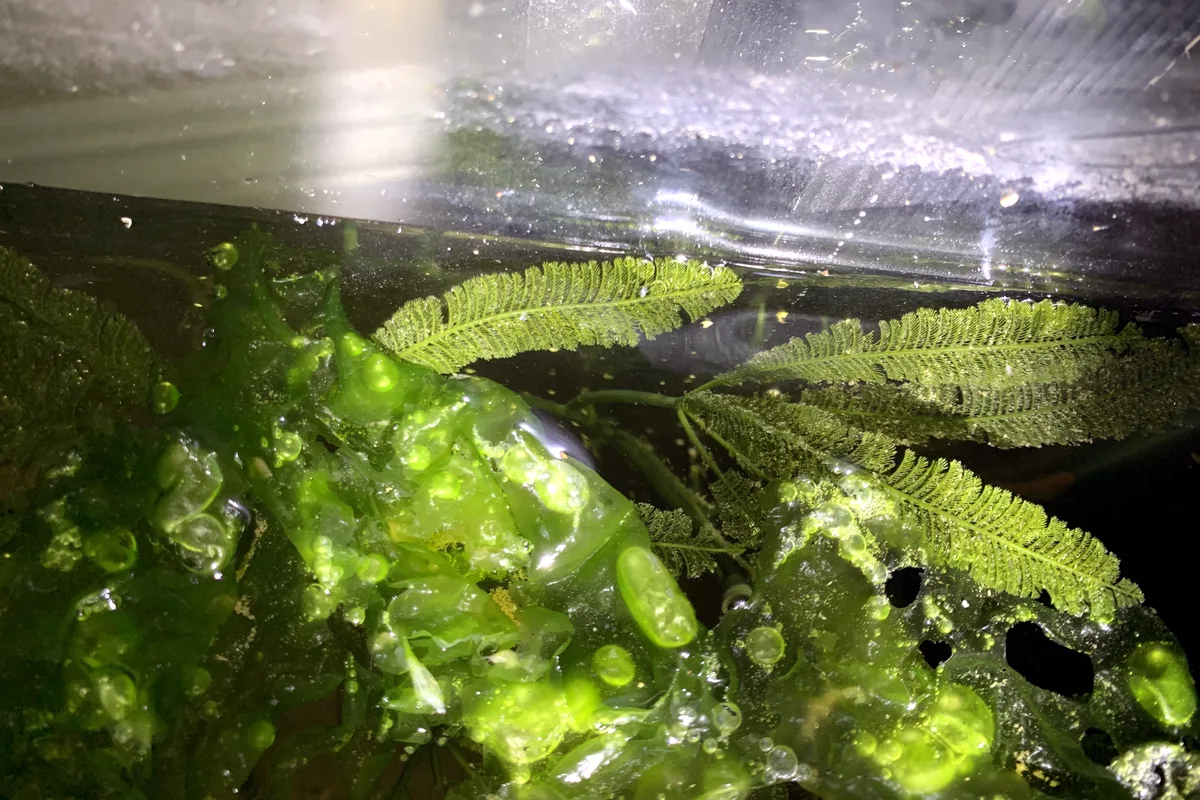
Algae on glass is the visible edge of the tank's ordinary economy: light plus nutrients grows a film on the brightest, cleanest surface in the aquarium, which happens to be the pane you look through. It begins as a soft green film that wipes away easily. Left alone, it develops into tougher forms, including hard green spots that bond to the glass and, in saltwater tanks, coralline growth. The keeper's error is treating those as one problem. They are different stages and species, they grip the glass with different strength, and each one needs a different tool used with a different amount of pressure.
The surface under the algae matters as much as the growth on it. Glass tolerates a pad happily and a careful blade for the hard spots. Acrylic is softer than the things used to clean it and scratches permanently under the wrong pad or any blade, which is the expensive mistake the research names in this category. Magnet cleaners add their own sizing physics: a magnet strong enough for thick glass can grab violently on a small tank, jumping as it moves and, per the maker's class record, stressing fish and risking a pinch or a crack. The whole job comes down to choosing the right tool, for the right surface, at the right magnet strength.
The fix, in order
In order, cheapest first. Stop at the step that solves it; the product step is for what the free steps cannot finish.
Free step
Read the growth before touching it
Look closely and run the inside glass with a fingertip through the water if needed. Soft film that smears is magnet pad work; discrete hard spots that resist a fingernail need the blade treatment on glass; anything on acrylic gets only tools sold as acrylic safe. Two minutes of identification decides which of three different jobs you are actually doing today.
The product step
Clean the film with the Aqueon magnet
Fit the two halves of the Aqueon magnet to the pane and move it slowly in overlapping passes, keeping the inner pad flat and clear of gravel at the bottom edge, where trapped grit can score the surface. Work the front pane fully and the sides as far as they bother you. Slow passes clear film cleanly; speed is what makes magnets skip and jump.
The product for this step
Aqueon Algae Cleaning Magnet
Free step
Take hard spots separately, on glass only
For the hard green spots and any coralline type growth the pad leaves behind, use a blade scraper made for aquarium glass, at a shallow angle, on glass tanks only. Test one spot first and let the tool do the work without forcing it. Acrylic tanks skip this step entirely and use an acrylic safe pad and patience instead, every time.
Habit step
Make the glass a weekly habit, not a rescue
Add a quick magnet pass to the weekly routine, while the film is still soft and a two minute job. Film removed while it is still soft never becomes the hard growth that needs blades and force. The light and feeding habits from the green water page slow the regrowth between passes. Regular cleaning is easier than rescuing neglected glass, here as everywhere else in the hobby.
The evidence, in tiers
Tier 1 · The method
The method evidence is the tool by surface diagnostic the research builds the page on: soft film responds to a magnet pad, hard spot and coralline growth need a blade, and acrylic is damaged by tools that glass tolerates. The chemical route is deliberately not the lead here, because the growth is reachable by hand and the diagnosis is mechanical.
Tier 2 · This product
The Aqueon Algae Cleaning Magnet holds 4.5 stars from 291 ratings on Chewy (November 2026). The Mag-Float, the original in this class, holds 4.5 stars from 70 ratings on Chewy (November 2026), with 91 percent of reviewers saying they would recommend it, giving the tool class a two brand record.
We have not cleaned a tank with this magnet for this guide. The tool selection follows the surface and growth diagnostic above, and the sizing cautions come from the class record rather than from a staged test.
Tier 3 · What owners report
Owners report easy weekly film removal as the normal case, and the failures fall exactly where the diagnosis predicts: magnets too strong for small tanks jumping and snatching, blades taken to acrylic with permanent results, and hard spot algae blamed on a pad that was never the tool for that growth. Sized and matched correctly, the record is consistent, which is what a chore tool's record should be.
The alternatives, conceded where they win
| Option | What it is | The honest verdict |
|---|---|---|
| Aqueon Algae Cleaning Magnet | Two part magnetic pad cleaner for glass film | The pick: a strong current record, dry hands, and the right answer for the soft film that makes up most glass algae, most weeks. |
| Mag-Float magnetic cleaner | The original magnetic cleaner in this class | Wins as the category's founding design, with 91 percent of its reviewers recommending it, and it may suit tanks its sizes match better. It loses nothing on merit; the Aqueon leads this page on the depth of its current record, 291 ratings against 70. |
| A blade scraper | A hand held blade for hard growth on glass | Wins outright on hard green spot and coralline growth, where pads simply skate over the top. It loses as a general cleaner: slower, wetter for the keeper, risky in careless hands, and absolutely barred from acrylic, where one pass can write scratches into the tank permanently. |
The honest price comparison
The honest comparison is a modest magnet against the costliest mistake in this category: a scratched acrylic tank, which is a replacement tank, not a cleaning bill. Even on glass, the comparison favours the routine: minutes weekly with the right pad, against an afternoon of blade work once film has been allowed to harden into spots.
Where it falls short
The weaknesses below come from the product's own reviews: the complaints keepers report after the first month, not the first day.
- Magnet strength cuts both ways: an over strong magnet on a small tank can jump and snatch as it moves, stressing fish, per the class record. Sizing guidance is not marketing; it is the safety content of this purchase.
- A pad will not shift hard spot or coralline growth, and owners who expect it to rate the tool for a job the blade owns. The two tools are a pair, not rivals.
- It removes growth without touching the cause. Light and nutrients will regrow the film, so a magnet without the weekly habit and light control just leaves you repeating the same chore at a larger scale.
The product, in short
Aqueon Algae Cleaning Magnet
Questions people ask next
Can I use this magnet on an acrylic tank?
Only with a magnet and pad sold as acrylic safe, used gently, and never with a blade near the tank. Acrylic scratches more easily than glass, and scratches are permanent. When in doubt about tank material or a tool's rating, treat the tank as acrylic until you have confirmed otherwise.
The pad leaves hard green spots behind. Is it faulty?
No: hard spot algae is a growth distinct from soft film, with a grip a pad is not built to break. On glass, those spots are blade work at a shallow angle. On acrylic, use an acrylic safe scraper and patience, and accept a slower job for safety.
What size magnet should I buy?
The size matched to your tank and glass thickness in the maker's guidance. Too weak and it falls off midway; too strong and it grabs, jumps, and can stress fish on a tank. The middle of the maker's range for your glass is the choice, not the strongest magnet.
How do I stop the algae coming back so fast?
Slow the inputs: check how long the lights run, whether sun reaches the tank, and whether feeding is heavier than the fish need, using the green water page for the routine. The magnet handles the growth; the light and feeding discipline decides how often you will be handling it.
Chewy product record for Aqueon Algae Cleaning Magnet (November 2026) · Chewy product record for Mag-Float algae cleaner (November 2026)
The Fix JournalCase 04Aquatics