Never Tested the House for Radon
Radon has no smell and no color, and most houses have never had the one test that finds it
The short answer
Radon is a gas from the ground that collects in lower rooms, and the only way to know your level is to measure it. A one time test kit gives you one week in one season. The Corentium Home keeps measuring, so its long term average reflects the house you live in across weather and closed window months. It holds 4.8 stars from 49 ratings at Best Buy (November 2026), a small count that this page prints as small. Read the long term number after a month, and let that number, not a single day's spike, drive what you do next.
Why does this happen?
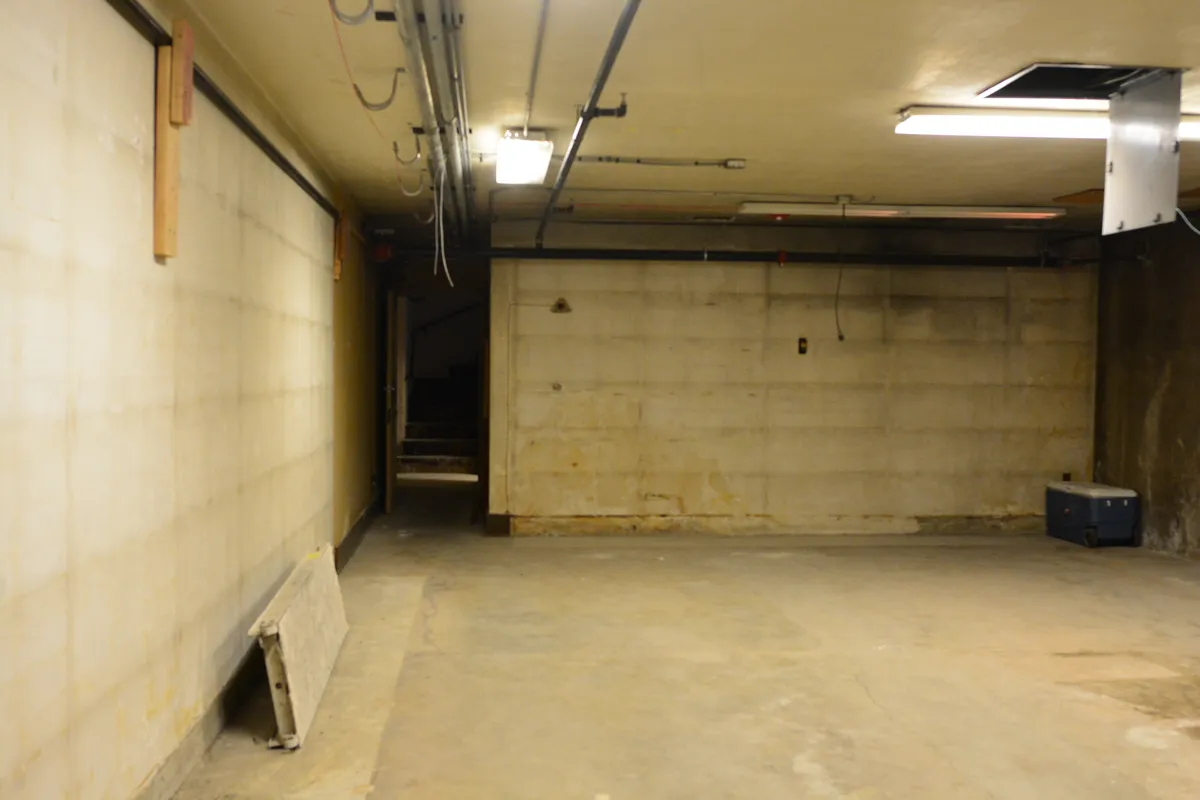
Radon seeps in through the foundation from the soil under the house. Levels change with season, weather, and how tight the house is closed up, which is why a test taken in a mild week with the windows open can read low in a house that runs high all winter.
Guessing by neighborhood does not work. Two houses side by side can read far apart, because the cracks, the sump, and the soil contact differ. The test has to happen in your lowest lived in room, not on a map.
The health guidance is built on long term exposure, so the long term average is the number that matters. Short spikes after a storm or a still night are normal in almost every house and are not, on their own, a reason to panic or to spend.
The fix, in order
Cheapest first, in order. When a step solves it, you are done; the product step is for the cases the free steps cannot finish.
Free step
Start with the free and cheap test
If you have never tested at all, a state radon office or a mail in charcoal kit gives a first screen for a few dollars. Treat it as a screen: a high result needs confirming, and a low result from an open window week is weak evidence.
The product step
Measure across weeks, not days
Set the Corentium Home in the lowest lived in room, leave it in place, and read the long term average after at least a month. Move it to the next room you care about for the following month and build the house's picture level by level.
The product for this step
Airthings Corentium Home radon detector
Habit step
Act on the average, in order
At a long term average at or above the action level, get quotes from certified mitigators. Well below it, keep the detector running through one full winter, the high season, before you call the question settled.
The evidence, in tiers
Tier 1 · The method
The method follows EPA testing guidance: test the lowest lived in level, favor long term measurement where you can, and judge exposure on the long term average. State radon offices publish the same protocol with their kit programs.
Tier 2 · This product
The Corentium Home holds 4.8 stars from 49 ratings at Best Buy (November 2026), with 98 percent of those reviewers recommending it. The count is small and is printed as small. The device is a measuring tool: its record is about steady readings, battery life measured in years, and a display you can read at a glance. We have not run a season long test for this guide.
Forty nine ratings is a thin record next to the charcoal kits' thousands, and this page does not hide that. The pick rests on the method: continuous measurement in the room, over months, beats a one week snapshot for a gas that swings with the weather.
Tier 3 · What owners report
Owners praise the simple screen and the way the long term average settles down after the first week of noise. The complaints are about that first week: new buyers watch the short term number jump around and worry, which is a reading habit problem this page's ladder is written to prevent.
The alternatives, conceded where they win
| Option | What it is | The honest verdict |
|---|---|---|
| Airthings Corentium Home | Digital detector, continuous short and long term averages | The pick if you will leave it running: one purchase, every room in turn, and a winter long average you can act on. |
| Mail in charcoal test kit | A one time lab test over a few days | The right cheap first screen, and the format state programs hand out. One week in one season is its limit, and it cannot show you the winter number. |
| A professional radon test | A certified tester places a continuous monitor for a short visit | The strongest short test, and the one real estate sales often require. It costs the most per reading and still covers days, not seasons. |
| Doing nothing because the neighbors tested low | Borrowed reassurance | Radon varies house by house on the same street. A neighbor's number says nothing measured about your foundation. |
The honest price comparison
Test your own lowest room for a month before you spend on anything else. If the long term average is low through a winter, you are done for the cost of the detector. If it is high, the mitigation quotes you get will be based on a number nobody has to argue with.
Where it falls short
What follows is drawn from the product's own reviews: the complaints and failures buyers report after living with it.
- The first week of readings swings a lot, and the short term number will worry you if you watch it daily. The long term average is the product; the daily number is noise.
- It measures one room at a time. A three level house gets its full picture over months, not days.
- It detects; it does not fix. A high reading leads to a mitigation system, which is a contractor job with a contractor price.
- The Best Buy record behind this pick is 49 ratings. That is a thin count, printed here because the recommendation is.
The product, in short
Airthings Corentium Home radon detector
Questions people ask next
Where in the room should the detector sit?
In the breathing zone of the room you use most on that level, roughly waist to head height, away from windows, doors, exterior walls, and heat sources. Leave it there and do not move it during the period you are judging.
How long before I can trust the number?
The long term average steadies after about a month and means more after a full season. Judge the house on the winter long term average if you can only pick one season, because closed houses run highest then.
What number means I should act?
The EPA action level is 4 picocuries per liter as a long term average, and it suggests considering fixes between 2 and 4. Bring your printed long term average to any mitigator you call, and be wary of anyone who quotes before asking for it.
Can I just open the windows more?
Ventilation lowers radon while the windows are open and lets it rebuild when they close. It is a fair stopgap on a mild day and not a plan for a cold climate winter.
Best Buy listing record for the Airthings Corentium Home (November 2026) · EPA radon testing and action level guidance · Airthings product documentation for the Corentium Home
The Fix JournalCase 39Home Systems