My Monstera Isn't Growing
A monstera that stops growing is usually short of light once watering problems are ruled out, because most rooms are far darker than they feel to human eyes. A measured grow light such as the GE Grow Light PAR38 gives the plant a full working day of usable light from a normal bulb socket.
The short answer
Rule out watering and root problems first, then give the plant a real light upgrade with the GE Grow Light PAR38 aimed at it for a full day. It holds 4.6 stars from 268 reviews at Blain's Farm & Fleet (November 2026), and its output was independently lab measured at PPF 50 micromoles per second. Judge it by new leaves over coming weeks.
Why does this happen?
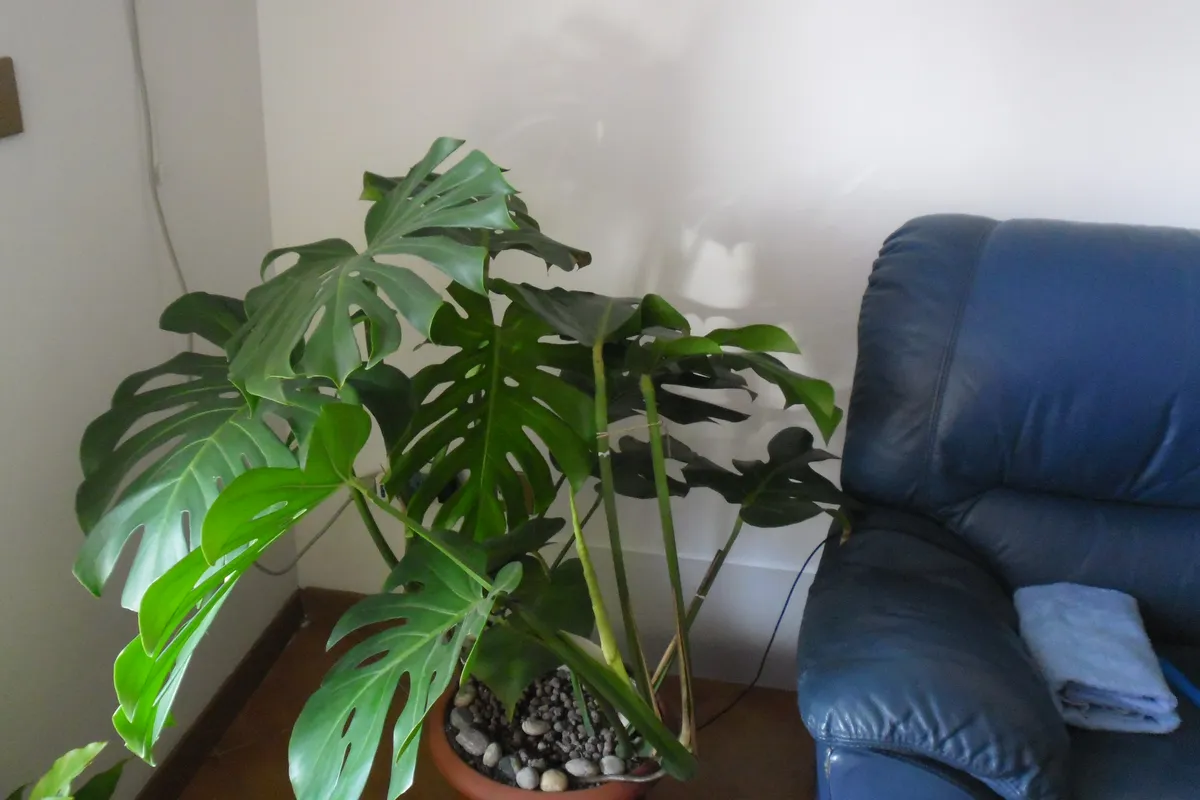
A monstera that has stopped producing leaves is usually short of something. Once overwatering, underwatering, and a pot bound solid with roots are ruled out, light is the most common cause, because indoor light falls off fast away from a window and a room that feels bright to people is dim to a plant built for a forest edge. Without enough light the plant saves its energy, produces smaller leaves, and loses the splits and holes people expect.
A grow light fixes the shortage directly by adding usable light hours at a strength the plant can work with. The reliable way to judge a bulb is measured output rather than packaging words, and this bulb has an independent lab measurement behind it. Distance and duration both count: a bulb too far away delivers little, and a few evening hours do not equal a day. Set the light on a steady daily schedule and watch for new growth.
The fix, in order
Work down the list: free and cheap steps first. Stop when the plant turns the corner; the product is only for what the free steps cannot do.
Free step
Rule out water, roots, and feeding first
Check that the soil dries somewhat between waterings, that the pot drains, and that roots are not circling out of the holes in a solid mass. A plant in soggy soil or a tiny pot will not grow whatever the light does. Fix those problems first and give the plant a short period to respond.
Free step
Move the plant to the brightest spot you have
Before buying anything, move the monstera as close to your brightest window as the leaves tolerate without scorching, and rotate it weekly so all sides get a share. Many plants restart growth on this step alone. If the best spot still leaves the plant in open shade all day, that is the measured case for a light.
The product step
Add the GE Grow Light PAR38 on a daily schedule
Fit the GE Grow Light PAR38 in a lamp or fixture that can aim it at the plant from a sensible distance, following the maker guidance, and run it on a steady daily schedule with a timer if that helps consistency. Aim for a full day of added light rather than a short evening top up, and keep the distance consistent.
The product for this step
GE Grow Light PAR38
Habit step
Judge by new leaves and adjust slowly
Watch over the following weeks for a new leaf spear, larger leaves, and better splits on new growth, which are the signs the light ration has changed. Adjust distance gradually if leaves show stress. Keep watering matched to the new growth rate, since a growing plant drinks more than a stalled one.
The evidence, in tiers
Tier 1 · The method
The research closes the product question with measurement: the GE Grow Light PAR38 was independently lab measured at PPF 50 micromoles per second output in Space Buckets lab notes, a secondary source named as such, and the bulb is UL listed.
Tier 2 · This product
GE Grow Light PAR38 holds 4.6 stars from 268 reviews at Blain's Farm & Fleet (November 2026) and 4.9 stars from 25 reviews at RONA (November 2026).
We have not tested this bulb on a monstera for this guide, and no claim is made here that it has been. The light first method follows the cause order and the measured output named in the research.
Tier 3 · What owners report
Owners of measured grow bulbs report the pattern the cause predicts: stalled plants restart once light hours and distance are consistent, while bulbs hung far away or run for only a few hours produce little change and most of the disappointed reviews.
The alternatives, conceded where they win
| Option | What it is | The honest verdict |
|---|---|---|
| GE Grow Light PAR38 | 32W balanced spectrum bulb for a standard socket | The pick: a bulb with independent lab measured output and a retailer record, that upgrades any existing lamp without new fixtures or shelving. |
| Moving the plant to a brighter window | Relocation within the home | Wins outright when a genuinely bright spot exists, because it is free and permanent; it loses in the many homes where every available spot is still open shade a few feet from glass, which is why the plant stalled. |
| Large bar style grow lights | Long LED bars for shelves of plants | Wins for a whole shelf or collection, where one bar covers many pots evenly; it loses for a single floor plant like a monstera, where a focused bulb in an existing lamp is simpler and easier to aim. |
The honest price comparison
The honest comparison is replacing a large, mature monstera that slowly declines, which costs far more than a bulb and loses years of growth. One measured bulb in a lamp you already own is the small intervention against that slow replacement cycle.
Where it falls short
These weaknesses come from the product's own reviews, not from a rival's marketing. Read them before you buy.
- It has not been tested on a monstera specifically for this guide, so results rest on measured output and the light cause, not a plant specific trial.
- A single bulb covers one plant area, so a collection in several rooms needs several bulbs or a different setup.
- Distance and daily hours decide the result, so a bulb fitted and forgotten at the wrong range disappoints.
- The retailer review counts are moderate and small, not the thousands seen for big marketplace listings.
The product, in short
GE Grow Light PAR38
Questions people ask next
How do I know light is really the problem?
Rule out soggy soil, drought, and a root bound pot first. Then look at the signs: no new leaves for a long growing season, smaller new leaves, and lost splits point to low light, especially when the plant sits well away from any window.
How many hours a day should the light run?
Aim for a full, consistent day of light on a regular schedule rather than a short evening boost, following the maker guidance for the bulb and your plant. Consistency matters more than occasional long days, and a timer makes the routine effortless to keep.
Will new leaves get their splits and holes back?
Splits and holes develop on new growth when the plant has enough light and maturity; older plain leaves do not change. Judge the light by the leaves produced after it is fitted, over the following weeks, not by the foliage already open.
How close should the bulb be to the plant?
Follow the maker guidance for distance, start at the cautious end, and watch the leaves. Too far away delivers little usable light, while a bulb very close in a hot fixture can stress foliage. Adjust gradually and keep the chosen distance consistent day to day.
Blain's Farm & Fleet product record for GE Grow Light PAR38 (November 2026) · RONA product record for GE Grow Light PAR38 (November 2026) · Space Buckets lab notes on GE Grow Light PAR38 output
The Fix JournalCase 27Plants & Garden