Why Do My Clothes Smell Musty After Washing?
A washing machine that smells has a film of bacteria growing inside it, and every load rinses your clothes through that film. The fix is a real cleaning cycle, not more detergent.
The short answer
Your machine is not dirty in a way you can see. It has a film of bacteria growing inside it, and the cure is a dedicated cleaning cycle, not a hotter wash. Run affresh Washing Machine Cleaner on the hottest, longest cycle, empty. It holds 4.7 stars from over 180,000 ratings on Amazon (November 2026), the largest review record of any product in these guides.
Why does this happen?
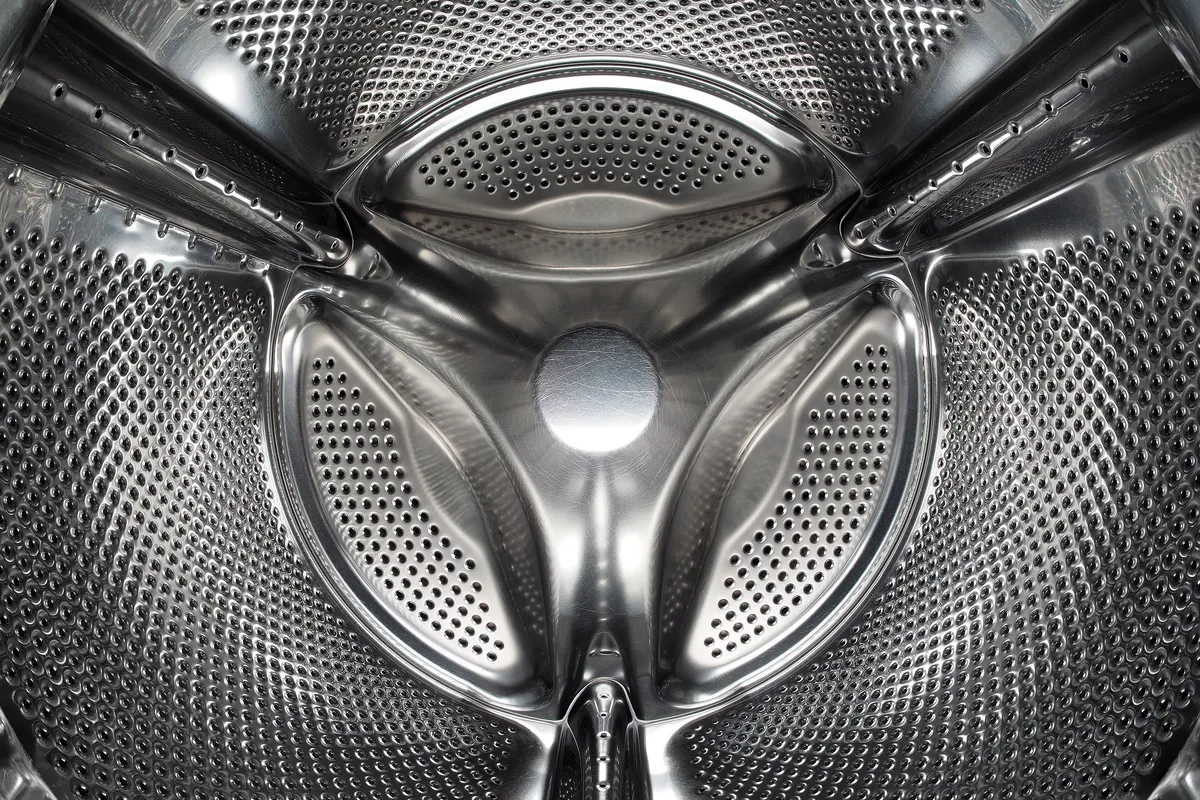
Modern machines wash cool, seal tight, and sit damp between loads. That is a perfect home for a film of bacteria and mold that feeds on detergent residue and fabric softener, growing on the door seal, in the detergent drawer, and around the drum where you cannot see it. Every load then rinses through that layer, which is why clean clothes come out smelling like a basement and why the smell survives the dryer.
Front loaders grow it fastest because the door seal holds water in its folds. Top loaders grow it under the rim and in the fabric-softener dispenser. The machine is rarely broken. It has bacteria and mold growing in it. Removing that growth, and then keeping the machine dry between loads, is the whole fix.
The fix, in order
The steps are ordered cheapest first. Stop at the one that solves it and skip the rest; the product is there only for where the free steps run out.
Free step
Wipe the seal and drawer dry, now
Pull back the door seal folds and wipe out the standing water and residue with a cloth. Pull the detergent drawer, rinse it, and let both dry fully. This removes the visible edge of the growth and costs nothing.
Free step
Run an empty hot cycle with baking soda
Put a cup of baking soda in the drum and run the hottest and longest cycle, with no clothes. This lifts loose residue and deodorizes the surface layer. If the smell survives this, the film is firmly established, and a cleaner made for the machine is the next step, not a repeat.
The product step
Run the affresh cycle
Put one affresh tablet in the empty drum on the hottest, longest cycle (the machine's own cleaning cycle if it has one). The tablet dissolves slowly through the whole cycle, which is the point: a fast cleaner is gone before the back of the drum is reached. Repeat monthly in a front loader, every other month in a top loader.
The product for this step
affresh Washing Machine Cleaner tablets
Habit step
Keep it dry between loads
Leave the door ajar, the drawer cracked open, and wipe the seal after the last load of the day. A dry machine does not regrow the film, and this habit is what makes the tablet an occasional event instead of a monthly bill.
The evidence, in tiers
Tier 1 · The method
The method is the appliance industry's own: machine manufacturers publish cleaning-cycle guidance because this buildup is a known result of cool-water washing and sealed drums. Heat, time, and an oxidizing cleaner are the three ingredients. The evidence is the manufacturers' maintenance guides, not marketing.
Tier 2 · This product
affresh holds 4.7 stars from over 180,000 ratings on Amazon (November 2026), with a reported 100,000+ bought in a single month, the strongest demand record in the Home Surfaces scan.
We have not run this tablet through our own machines for this guide. The recommendation rests on the review record above and on the manufacturer's own maintenance guidance, stated here so the basis is clear.
Tier 3 · What owners report
Owners report the first cycle sometimes loosens enough residue to smell worse for a day, then clears. Most such reports are front loaders with years of buildup needing two cycles the first time.
The alternatives, conceded where they win
| Option | What it is | The honest verdict |
|---|---|---|
| affresh tablet | Cleaner formulated and dosed for the machine, slow-dissolving across a full cycle | The pick: the form designed for exactly this job, with the record to match. |
| White vinegar cycle | A few cups in an empty hot cycle | Best on price and on already having it in the pantry, and it is the right first try for light odor. It does not work on a deep film of bacteria, and some manufacturers warn against routine vinegar use on seals. |
| Bleach cycle | Dilute bleach on an empty hot cycle | Kills surface mold well and is best where growth is visible. It does not strip detergent residue, and it is the wrong tool for septic systems and many households that need septic-safe products. |
The honest price comparison
Compare it with a service call: an appliance technician's visit to diagnose a smell typically runs $100 to $200 before any work, for a problem that is maintenance, not repair. A box of tablets is about $12 and covers half a year of monthly cycles.
Where it falls short
The weaknesses below come from the product's own review record, the same record the recommendation rests on.
- The first use on a machine with heavy buildup may need a second tablet and cycle, which owners take as failure. It is backlog, not the product failing.
- It treats the machine, not habits: a closed door and a wet seal will regrow the film in a few months.
- Scented variants exist; the fragrance is cosmetic and some reviewers with sensitivities prefer the unscented original.
The product, in short
affresh Washing Machine Cleaner tablets
Questions people ask next
Why do my clothes smell fine out of the wash but sour in the drawer?
Bacteria left in the machine transfer to the fabric and come back to life with body heat and closet humidity. The source is the machine, not the drawer. Treat the machine and the drawer problem ends with it.
Is it safe to use a cleaner tablet with a septic system?
affresh is labelled septic safe. Bleach cycles are the questionable ones for septic households, which is one reason the tablet is the pick here.
How often should I run a cleaning cycle?
Monthly for front loaders, every other month for top loaders, and immediately whenever a load comes out smelling like the machine instead of the detergent.
Can I just wash everything hotter instead?
Hotter washes help a little and cost energy and fabric life. The film sits in places wash water barely reaches at any temperature. A dedicated empty cycle with a slow-dissolving cleaner is designed to reach them.
Appliance manufacturer maintenance guidance on cleaning cycles and biofilm · Amazon product record for affresh Washing Machine Cleaner (November 2026)
The Fix JournalCase 01Home Surfaces