Cat Fountain Is Slimy a Week After Cleaning
The slime in a cat fountain is biofilm, a layer of bacteria that grows back on any wet surface within days, on plastic and steel alike. No fountain is proof against slime. What works is a full cleaning that includes taking the pump apart, in a design with few parts that can go in the dishwasher.
The short answer
Switch to the Casfuy stainless-steel fountain if your plastic one will not stay clean, and clean it the way the slime requires: take it fully apart, open the pump and scrub it, every week. It holds 4.6 stars from 524 ratings on Chewy (November 2026), with owners crediting the switch from plastic. Its record also includes one complaint of black mold at day 10, which this page will not hide. Steel gives you longer between deep cleans. It does not remove the need to clean, and no page should tell you otherwise.
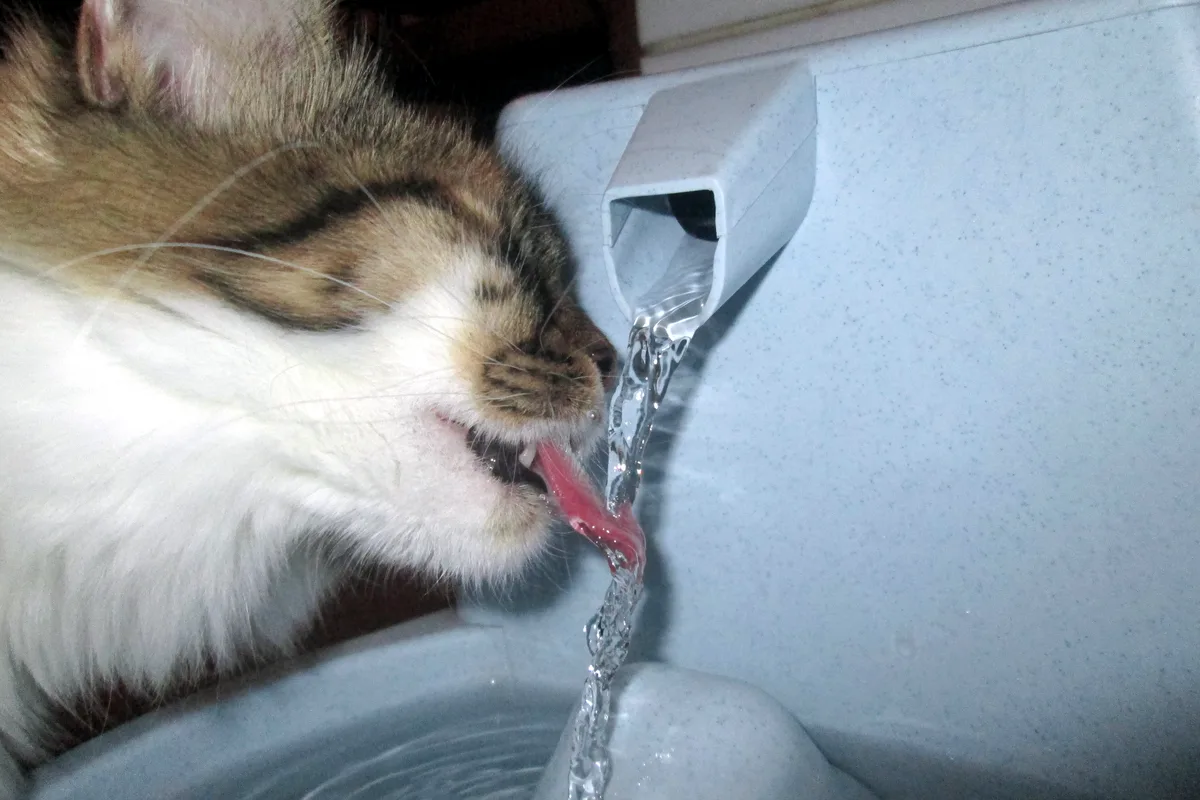
Why does this happen?
Biofilm is not dirt that washing failed to remove. It is a living layer that bacteria build on surfaces under water, holding themselves in a slimy coating that protects them from a quick rinse. It starts forming within days on plastic, steel, and ceramic alike, which is why a fountain can feel slippery a week after a clean that looked thorough. It grows fastest in sheltered places: inside the pump housing, under the impeller, in filter sponges, and in the seams and scratches of the bowl. A wipe of the visible surfaces never reaches those places.
That explains the two things that help. The first is material and design. Stainless steel does not scratch the way plastic does, and scratches give biofilm a place to live, so a steel surface comes fully clean at each wash. A fountain with few parts also turns a full teardown, which owners otherwise skip, into a five minute job. The second is the cleaning itself, above all the pump, which almost no owner opens and where the failures in the record collect. A fountain is a small water system. You maintain it on a schedule or it grows things. The filter and sponge are parts you replace in that system, not permanent parts.
The fix, in order
The steps run in order, cheapest first. Stop at the step that works. The product comes last, and only where the free steps run out.
Free step
Do one true deep clean of what you own
Before replacing anything, take your current fountain fully apart, including opening the pump and lifting its impeller, and scrub every surface and part with hot soapy water. If the slime was living in the pump, as it usually is, this clean will hold noticeably longer and tells you whether your problem is method or equipment.
The product step
Move to the Casfuy stainless fountain for the reset
Set up the Casfuy stainless-steel fountain in place of a scratched plastic unit that no longer comes fully clean. The smooth steel surface and simple build make each weekly teardown complete instead of partial. Replace the filters and sponges on schedule from day one, so the new fountain does not start with the old one's missed maintenance.
The product for this step
Casfuy stainless-steel fountain
Free step
Clean weekly, pump included, without exception
Empty the fountain, take it apart, open the pump, scrub the impeller and housing, wash the steel parts, in the dishwasher if the directions allow or by hand, and put it back together with fresh water. Weekly is the schedule biofilm requires. Stretching it to every two weeks is how a fountain ends up slimy a week after cleaning, again and again.
Habit step
Replace filters and sponges on schedule
Treat the filter and the pump sponge as parts with a replacement date. Replace them when due, not when they look bad, because by the time they look bad they have been putting bacteria into the water for days. Keep spares in the house so a change never waits on a delivery. That ordinary step is what keeps systems like this working.
The evidence, in tiers
Tier 1 · The method
Biofilm forming on wet surfaces within days is well established, and it happens on every fountain material. The control that works is physical: taking the fountain apart and scrubbing, especially the pump, plus replacing filters and sponges on schedule. No claim that a fountain cleans itself holds up against this, and none is made here.
Tier 2 · This product
The Casfuy stainless-steel fountain holds 4.6 stars from 524 ratings on Chewy (November 2026), with reviews crediting the switch from plastic. The same record contains a black mold complaint at day 10, disclosed here as it appears there.
We have not run this fountain for a cleaning cycle for this guide. The teardown method follows the biofilm mechanism and the failure pattern documented across fountain owner records.
Tier 3 · What owners report
Owners across every fountain brand in the research report slime returning within days when the pump is not opened, and longer clean intervals after switching to steel and doing a full weekly teardown. The mold complaint in this product's own record keeps the summary accurate: better, not maintenance free.
The alternatives, conceded where they win
| Option | What it is | The honest verdict |
|---|---|---|
| Casfuy stainless-steel fountain | Stainless fountain, few parts, full teardown cleaning | Our pick: the strongest record among the fountains checked, a surface that comes completely clean at each wash, and a design that makes the necessary cleaning practical. |
| Plastic fountain, kept and deep cleaned properly | Your current plastic fountain with a corrected routine | The cheaper choice if your plastic unit is unscratched and you start opening the pump to clean it. Cleaning alone fixes many slime problems. It loses over time as plastic scratches build up, because every scratch shelters growth a scrub cannot fully clear. |
| A plain bowl, washed daily | No pump, no filter, fresh water each day | Wins on hygiene simplicity: a bowl scrubbed daily never builds a pump full of biofilm, and some cats drink perfectly well from one. It loses for the cat that will only drink moving water, which is why the fountain exists in this house at all. |
The honest price comparison
Compare the time cost. Any fountain costs ten minutes of teardown a week, for as long as you own it. A household unwilling to spend it will have a slimy fountain in every material. The steel fountain costs more than plastic because its surface makes those ten minutes fully effective, instead of partly wasted on scratches.
Where it falls short
The weaknesses below are taken from the product's own review record. They are printed here because the recommendation is.
- It is not proof against slime, and its own record includes a black mold complaint at day 10. Owners expecting a fountain with no maintenance will be disappointed in this one too.
- The pump still needs opening and scrubbing weekly, the step owners most want a product to eliminate, and no design removes it.
- Filters and pump sponges are ongoing consumable costs, and letting them lapse undermines the steel advantage quickly.
- Its record, while strong, is smaller than the largest plastic fountains, so the evidence base is good rather than vast.
The product, in short
Casfuy stainless-steel fountain
Questions people ask next
Is the slime harmful to my cat?
Biofilm is mostly environmental bacteria, but a slimy fountain is water you would not drink yourself, and mold growth in a neglected unit is a genuine reason to deep clean or retire parts. The rule is simple: if it feels slippery, it is past due, whatever the calendar says.
Why does it come back so fast after I clean?
Because the clean usually misses the inside of the pump, the impeller, and the sponge, where the biofilm survives and spreads back through the whole fountain within days. A teardown that includes the pump is the difference between a full clean and a rinse, and it is the step the failure reports have in common.
Steel, ceramic, or plastic: does material really matter?
It matters at the margins that add up: steel and glazed ceramic have smooth surfaces that scrub fully clean, while plastic accumulates scratches that shelter growth. Material lengthens the clean interval and improves each reset, but the weekly teardown matters more than the material choice.
Can I run vinegar or a cleaner through it instead of scrubbing?
A rinse of any kind leaves the sheltered biofilm in the pump mostly intact, because the layer protects itself from liquids passing over it. Scrubbing the opened parts is the step that removes it. Follow the maker's guidance for any descaling, and keep scrubbing as the main habit.
Chewy product record for Casfuy stainless-steel fountain (November 2026) · Casfuy fountain care and filter replacement directions
The Fix JournalCase 24Pets