Leather Boots Look Dry and Dull
Boot leather dulls as its surface oils are lost to weather and wear, and most conditioners restore it at the cost of darkening light leather. A conditioner tested not to darken is the specific answer for pale and Chromexcel leathers.
The short answer
Clean the boots, let them dry, then work Bickmore Bick 4 Leather Conditioner in thinly and buff, testing first in a hidden spot. It holds 4.78 stars from 49 reviews on Chewy (November 2026), a small record stated openly. Specialist hands-on testing confirms it conditions Chromexcel boots without darkening them, and not darkening the leather is the main reason to choose this product.
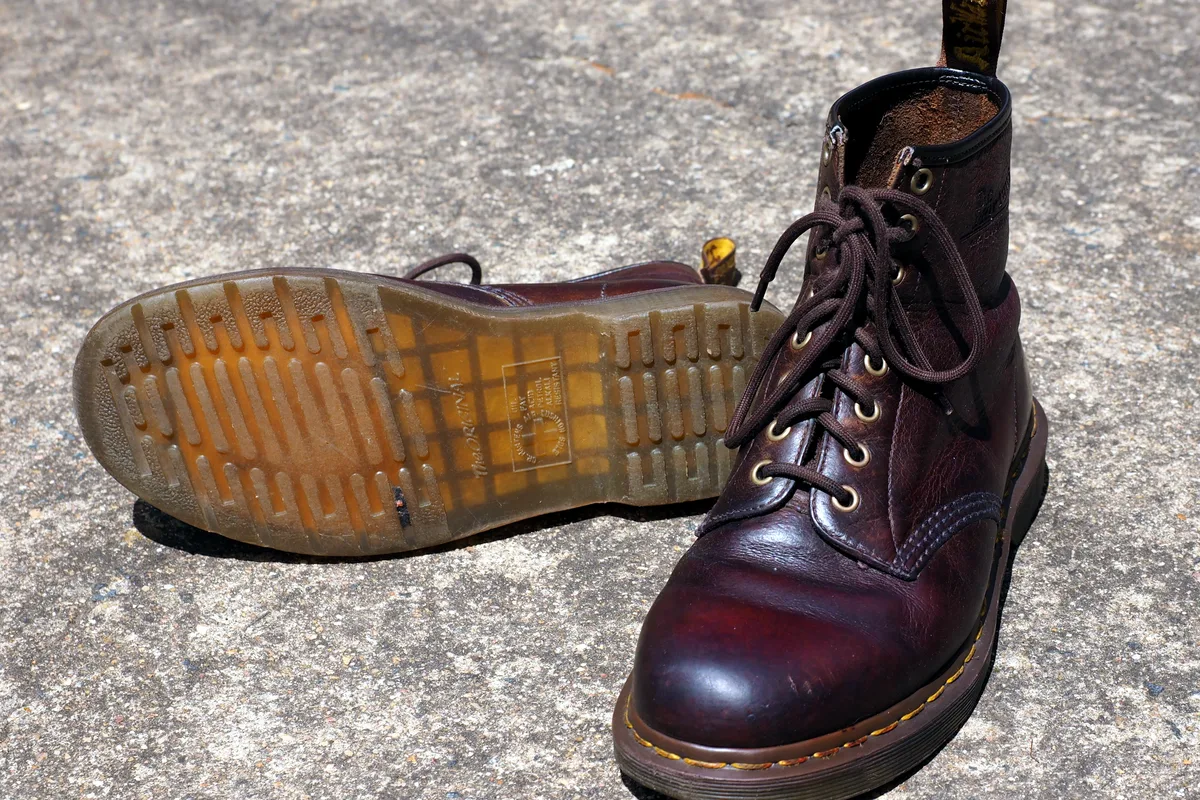
Why does this happen?
Leather is a fibrous material kept supple by the fats and moisture worked into it at the tannery. Rain, road salt, indoor heat, and simple time draw those out, fiber by fiber, until the surface turns dry, pale, and dull and begins to feel stiff. Left dry long enough, flexing at the creases starts to crack the surface rather than bend it, and cracks, unlike dullness, do not reverse with conditioning.
Conditioners restore suppleness by putting emollients back into the surface fibers. What many buyers do not realise is that most conditioners darken leather as they do it, permanently changing the color of pale boots and two tone leathers. For dark work boots that darkening is harmless or welcome; for light boots and Chromexcel, prized for its color depth, it is the whole decision. A conditioner that tests as non darkening does not soak in as deeply as some others. In return, it gives you control over the color.
The fix, in order
In order, cheapest first. Stop at the step that solves it. The product step is the last resort, not the starting point.
Free step
Clean and dry the boots first
Brush off grit, wipe away mud and salt with a damp cloth, and let the boots dry at room temperature away from radiators. Conditioner worked into dirty leather seals grit against the fibers, and heat drying a wet boot does more drying damage than the weather did.
The product step
Condition thinly with Bick 4
After a hidden spot test dries true to color, work Bickmore Bick 4 Leather Conditioner into the leather in a thin even coat with a soft cloth, paying attention to creases and the toe flex area. Let it absorb, then buff lightly. Thin coats repeated beat one heavy soak.
The product for this step
Bickmore Bick 4 Leather Conditioner
Free step
Judge color and suppleness after full drying
Leather looks darker while any conditioner is still wet on it, so judge the result only once the boots are fully dry. Suppleness at the creases and an even, non blotchy color are the success marks; a second thin coat is the remedy for remaining dry patches.
Habit step
Condition on a schedule set by wear
Boots worn in wet or salty conditions need conditioning far more often than occasional pairs. A quick brush after wear, and conditioning whenever the surface starts to look pale, keeps the leather in good condition. Condition before cracking starts, because no conditioner can undo cracks once they form.
The evidence, in tiers
Tier 1 · The method
The method evidence here is specialist press testing. A hands-on test on Chromexcel boots confirmed the no darkening claim and found improved suppleness. The same test noted the product does not soak in as deeply as premium rivals, and this page states that limit openly.
Tier 2 · This product
Bickmore Bick 4 Leather Conditioner holds 4.78 stars from 49 reviews on Chewy (November 2026). The record is small, and this page says so rather than borrowing a bigger one.
We have not conditioned a test pair for this guide. The color and penetration findings rest on the specialist hands-on test named above.
Tier 3 · What owners report
Owners of light boots and tack report color holding true while dryness and stiffness ease, which matches the specialist test. Reports from owners of heavily dried, neglected leather are more mixed, consistent with a conditioner whose strength is gentle surface work rather than deep restoration.
The alternatives, conceded where they win
| Option | What it is | The honest verdict |
|---|---|---|
| Bickmore Bick 4 Leather Conditioner | Conditioning tested not to darken leather | The pick: for light and Chromexcel boots, color control is the deciding property, and this is the tested option for it. |
| Heavy oil or wax conditioner | Deep penetrating oils and waxes | Wins on badly dried dark work boots, where its deeper penetration restores leather Bick 4 only improves; it loses on light leather, where the darkening it causes is permanent and often unwanted. |
| Saddle soap alone | Cleaning with mild conditioning effect | Wins as the cleaning step before any conditioner and for maintenance of boots in good shape; it loses as a full answer for genuinely dry leather, which needs more emollient than a cleaner leaves behind. |
The honest price comparison
The honest comparison is a cobbler's conditioning and restoration service, or replacing a pair of boots whose leather cracked from dryness. A bottle and a cloth, used before cracking starts, are the proportionate spend.
Where it falls short
Below are the weaknesses from the product's own record: where buyers say it falls short, in their numbers.
- Its penetration is shallow compared with premium rivals, per the specialist test, so severely dried leather may need a stronger product and accept the darkening.
- The review record behind it is small, 49 reviews on Chewy, so the high average rests on far less evidence than category leaders carry.
- It conditions but does not waterproof; boots heading into sustained wet work need a separate protection decision after conditioning.
The product, in short
Bickmore Bick 4 Leather Conditioner
Questions people ask next
Will it darken my light boots?
That is the claim it is tested on: specialist hands-on testing on Chromexcel found no darkening, and owners of pale leather report the same. Leather always looks darker while wet with product, so judge after full drying, and spot test first regardless.
How much should I apply?
Thin and even, worked in with a soft cloth, then buffed after absorbing. Heavy soaking does not condition proportionally deeper with this product and can leave surface residue. A second thin coat after drying serves dry areas better than one thick one.
My boots are already cracking. Will this fix them?
No conditioner reverses cracks, which are breaks in the surface fibers. Conditioning cracked leather still helps the surrounding material stay supple and can slow further damage, but the cracks themselves are permanent and heavy wear may need a cobbler's judgement.
How often do boots need conditioning?
Go by how the surface looks: when pale dryness returns, especially at the creases, it is time to condition again. Boots in daily wet or winter salt use may need it monthly; occasional pairs, a few times a year. Regular light care beats rare rescue attempts.
Chewy product record for Bickmore Bick 4 Leather Conditioner (November 2026) · Stridewise hands-on test of Bick 4 on Chromexcel boots (November 2026)
The Fix JournalCase 15Car & Fabric